Source Wild Pine Pollen Extract Powder for Medicine, Food, Health Care
Compare 30 listings of wild pine pollen extract powder from verified suppliers. Buyers can review specifications like extraction ratios, particle sizes, and certifications to find suitable options for medicine, food, and health care applications; compare the available evidence and request quotations based on your requirements.
Key considerations
Products List





Comprehensive Sourcing Guide
Wild Pine Pollen Extract Powder Sourcing Guide
Procuring wild pine pollen extract powder requires a disciplined approach to verifying botanical authenticity and extraction integrity. Buyers must distinguish between simple dried pollen and processed extracts, as the latter involves specific solvent or physical methods that concentrate active compounds. The observed market signals indicate a product range that includes both raw fine powder and concentrated extracts with ratios such as 10:1 or 20:1. Understanding this distinction is critical for aligning procurement with final product formulation needs, whether for dietary supplements, functional foods, or pharmaceutical applications.
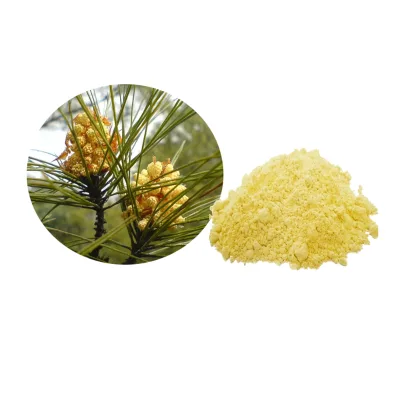
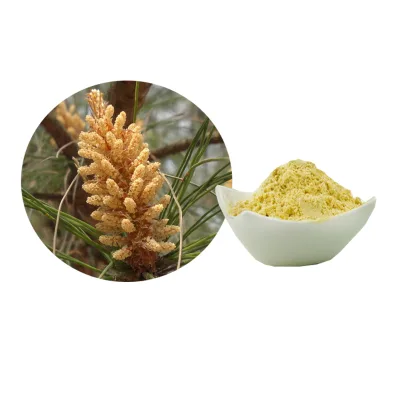
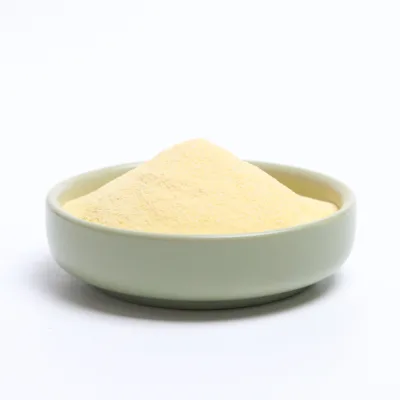
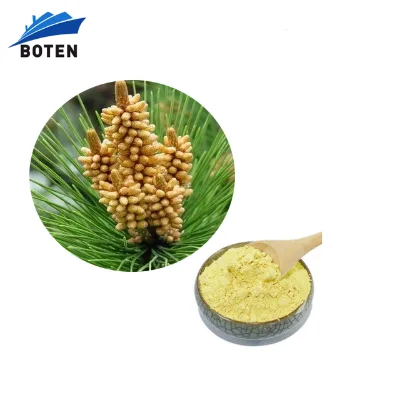
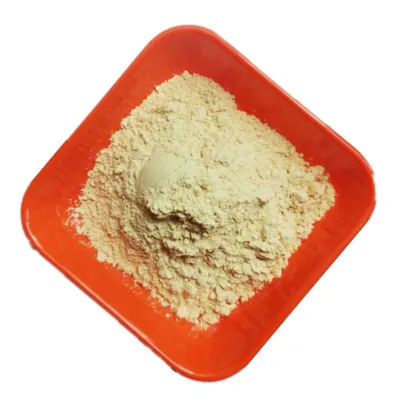
Sourcing decisions should also account for the physical characteristics and packaging standards observed in current listings. Products are typically described as yellow to brown-yellow fine powders with a characteristic odor, often packaged in vacuum-sealed plastic bags within fiber drums to maintain freshness. The single gross weight of approximately 1.500 kg per package suggests a focus on small-batch or sample-friendly logistics, which can influence inventory management strategies. Buyers should verify if the observed particle size specifications, such as passing through an 80-mesh sieve, meet the dissolution and bioavailability requirements of their specific end-use applications.
Product Scope and Observed Listing Signals
The current market landscape for wild pine pollen extract powder reveals a diverse array of product specifications that cater to different industrial needs. Listings frequently highlight the molecular formula C28H32O15, indicating a focus on specific phytochemical profiles, although buyers should confirm if this refers to the raw material or a specific isolated fraction. The appearance is consistently noted as a fine powder, ranging in color from yellow to brown-yellow, which serves as a primary visual indicator of quality and processing consistency. These visual cues are essential for initial quality assessment before deeper technical verification takes place.
Commercial signals also point to a flexible supply chain capable of supporting various order volumes, with observed minimum order quantities ranging from 1 to 100 units. This flexibility allows buyers to test market response with smaller initial orders before committing to larger production runs. The observed price range of 7.02 to 300 USD reflects significant variation based on extract ratio, purity, and packaging complexity. Buyers must carefully evaluate whether lower prices correspond to standard dried pollen or higher-value concentrated extracts, ensuring that cost comparisons are based on equivalent active ingredient content and functional performance.
Technical Specifications to Verify
Verification of technical specifications is paramount when sourcing pine pollen extract powder, particularly regarding the extraction process and resulting potency. Buyers should confirm whether the product is derived through solvent extraction or physical processes, as this impacts the solubility and bioavailability of the active ingredients. The observed specifications include extract ratios of 10:1 and 20:1, which indicate the concentration level relative to the raw plant material. It is crucial to validate these ratios through independent laboratory testing, as they directly influence the dosage requirements and efficacy of the final formulated product.
Particle size and assay methods are other critical technical parameters that require rigorous verification. The observed specification of NLT 100% through 80 mesh ensures a consistent fine powder texture, which is vital for uniform mixing in capsules and tablets. Buyers should insist on HPLC and UV assay methods for quality control, as these provide precise quantification of active compounds. Additionally, the model number TR-204 and other internal identifiers should be cross-referenced with the supplier’s technical data sheets to ensure consistency across batches and to facilitate traceability throughout the supply chain.
Compliance and Safety Documentation
Compliance with international safety and quality standards is a non-negotiable aspect of sourcing pine pollen extract powder. The observed certifications, including HACCP, FDA, and ISO, provide a baseline assurance of manufacturing hygiene and quality management systems. However, buyers must verify the current validity of these certificates and ensure they cover the specific facilities producing the extract. Regulatory compliance varies by destination market, so it is essential to confirm that the supplier’s documentation meets the specific regulatory requirements of the importing country, particularly regarding food-grade and pharmaceutical-grade classifications.
Safety evaluation and storage requirements also play a significant role in maintaining product integrity during transit and storage. The product is described as innocuous with a shelf life of two years under proper storage conditions, which typically involve normal temperature and humidity control. Buyers should establish clear storage protocols to prevent degradation of the active ingredients, especially given the sensitive nature of botanical extracts. Documentation should include detailed safety data sheets that outline handling precautions, potential allergens, and recommended storage environments to minimize risk and ensure product stability until consumption.
Cost Drivers and Commercial Terms
Several key factors drive the cost structure of wild pine pollen extract powder, with the extraction ratio and purity level being primary determinants. Higher extract ratios, such as 20:1, generally command higher prices due to the increased processing effort and concentration of active compounds. Additionally, the grade of the product, whether food-grade or higher pharmaceutical-grade, significantly impacts pricing. Buyers should analyze the cost per unit of active ingredient rather than just the price per kilogram to ensure accurate cost comparisons across different suppliers and product specifications.
Commercial terms, including delivery times and packaging options, also influence the total cost of ownership. The observed delivery time of within one working day suggests a responsive supply chain, which can reduce inventory holding costs for buyers. Packaging options, such as fiber drums with vacuum-sealed plastic bags, add to the cost but are essential for preserving product quality. Buyers should negotiate terms that balance cost efficiency with quality assurance, considering factors like sample availability and custom packaging requirements that may be necessary for specific market segments or regulatory environments.
Supplier Qualification and Quality Control
Supplier qualification is a critical step in mitigating risks associated with sourcing botanical extracts. Buyers should conduct thorough due diligence on potential suppliers, verifying their cultivation methods, which are often listed as wild-harvested, and their extraction processes. The brand name Dichuang and its association with biotechnology suggest a focus on scientific rigor, but buyers must independently verify the supplier’s manufacturing capabilities and quality control infrastructure. Establishing a clear communication channel for technical queries and sample requests is essential for building a reliable supply relationship.
Quality control measures must be robust and transparent to ensure consistent product quality. Buyers should require detailed certificates of analysis for each batch, confirming parameters such as assay content, heavy metals, pesticide residues, and microbial limits. The use of HPLC and UV methods for testing should be standard practice, providing reliable data on product composition. Implementing a rigorous incoming inspection protocol, including random sampling and third-party testing, can help detect any deviations from agreed specifications early, preventing costly production disruptions and ensuring consumer safety.
Long-Term Procurement Checks
Long-term procurement success depends on continuous monitoring of supplier performance and market dynamics. Buyers should establish key performance indicators to track delivery reliability, product consistency, and responsiveness to quality issues. Regular audits of the supplier’s facilities and quality management systems can help identify potential risks before they impact production. Maintaining a diversified supplier base can also mitigate supply chain disruptions, ensuring continuity of supply even if one source encounters issues.
Adaptation to regulatory changes and market trends is essential for sustaining competitive advantage. Buyers should stay informed about evolving regulations regarding botanical ingredients and update their compliance documentation accordingly. Monitoring shifts in consumer preferences for natural and wild-harvested products can inform strategic sourcing decisions. By maintaining a proactive approach to supplier management and market analysis, buyers can ensure a stable, high-quality supply of wild pine pollen extract powder that meets the demands of their end consumers and regulatory bodies.
FAQs
What is the molecular formula of wild pine pollen extract powder?
The molecular formula is C28H32O15 for this specific wild pine pollen extract powder. This chemical structure supports its classification as a natural ingredient suitable for food and health care applications. The product maintains high purity levels while ensuring safety for consumption in various forms.
How is the wild pine pollen extract powder packaged for shipping?
The product is packaged in drums, vacuum packed, and sealed within plastic bags for protection. Each single package measures 30x20x20 cm with a gross weight of 1.500 kg. Custom packaging requirements are also available to meet specific logistical needs for bulk orders.
Which certifications does the wild pine pollen extract powder hold?
The product holds HACCP, FDA, and ISO certifications to ensure quality and safety standards. These credentials verify that the manufacturing process meets international requirements for food-grade materials. Buyers can rely on these documented standards when sourcing for regulated markets.
Can I get samples of wild pine pollen extract powder before ordering?
Samples are available for evaluation before placing a bulk order. This allows buyers to verify the yellow fine powder quality and characteristic odor. The product offers a shelf life of two years with proper storage, ensuring sample integrity during transit.
What is the lead time for wild pine pollen extract powder delivery?
Delivery time is within one working day after order confirmation. This rapid turnaround supports urgent procurement needs for food and medicine applications. The efficient logistics ensure that buyers receive their stock quickly without compromising product quality or safety.
How is the wild pine pollen extract powder extracted from raw materials?
The extraction process utilizes solvent extraction methods to isolate active ingredients from dried flowers. This physical process ensures the retention of natural properties while achieving high purity. The resulting powder is suitable for capsule and tablet applications in health care products.
What is the minimum order quantity for wild pine pollen extract powder?
The minimum order quantity ranges from one to one hundred units depending on the supplier. This flexibility accommodates both small trial orders and large commercial purchases. Buyers can negotiate specific terms based on their volume requirements and packaging preferences.